

Dear Daring Readers,
Six months into this pandemic I have adapted and survived, although I don’t think I have gotten used to it. My perception is that many others are also struggling with this situation lasting much longer than we think we can endure. My suggestion (and here, yes, I am taking my own advice) is to focus on compassion for yourself and others to get through this.
One of the reasons why getting used to this is so damn hard is the level of alertness it warrants. All this pandemic anxiety, coupled with social injustice and other sources of uncertainty, is just unsustainable in the short and long run. Add the constant speculation about the future and the awareness that the future is just as intense as these past months, if not more, due to injustice and the many ticking bombs linked to climate change, and all the nightmares that live in your mind seem to have come to life.
One of those nightmares is body shame. All this alone time has given me the space and freedom to forget about what others think about my body in ways I will explore in the next two posts. Despite a renewed sense of authenticity I have also seen shame emerge from the past at a time when the future elicits a sense of doom. Having lived with intense body shame for decades means that it does come up regularly, and unexpectedly at times.
During a casual conversation, I mentioned that I didn’t feel at home in my body, that some parts of it were a little bit unsettling. And as soon as I mentioned it, I regretted it. The person on the other side said that I looked fine. My heart sank. Sometimes it feels like I am reliving over and over again a conversation I never seem to leave in my past.
I do see how you, the reader, might find this confusing and underwhelming. What’s wrong with that conversation? What is so special about it? Why would you even mention it?
Since I can remember I have tried to label my body as an abomination of some sort, for whatever reason, following the ups and downs of my mood. Anyone can recognize that internal monologue and we all have ways to respond to it. Usually, we have developed a way to respond to our own and to the one of others in different ways.
I have 3 observations about it, that will explain why that moment made my heart sink.
- My giving a voice to an internal shame storm was met with “You look fine!”
If that sounds good and familiar, that makes total sense to me. We are brought up in a culture where being ugly should be avoided and has serious consequences. It is ugliness that we want to avoid, not shame. It is so telling, we respond to insecurity with a type of soothing act that does not make it vanish at all! Reassurance does nothing for me, because even if I look good enough now (whatever that means), I will age and be sick throughout my life, and those two experiences will put an end to my “enoughness”. You are judging the person’s appearance when you reassuringly say that a body is pleasing enough. You are giving this body a pass grade, ignoring that a fail grade is expected; it is just a matter of time. Quick note: this might be akin to a version of your own internal dialogue about your very own body image, although you are very likely to show even less compassion when you talk about yourself.
2. I was concerned about shame coming back to haunt me, and reassurance did nothing but validate my shame.
“You look fine/good/okay” does not equal the receiver of the compliment feeling relieved of shame. What it actually says is “As of right now, you do not have any reason to feel shame. If anything changed, then it could be justified.” It validates body shame and makes your self-love conditional on you looking the same throughout your life. That person did not realize that I do need to feel good and safe in my body regardless of what other people think. If anything, all the things that could make my body “less widely acceptable” require compassion and an embrace, not a reassurance that I am still desirable enough, within the parameters the interlocutor considers “normal”. The rigidity of this belief system is one of the sources of shame and does not even allow for actual preferences to emerge. It is locked into what is advertised as desirable. I do not owe anyone, now or ever, fitting into that box for their comfort and with the sole goal of gaining acceptance.
3. That response validated a need for external validation.
This is the juicy bit! While there is no “right response”, a just and compassionate one validates insecurity and not shame. It is one that makes you and your journey feel seen. Yes, you have struggled, and maybe those voices will never go away, yet you are WORTHY. Worthy of love, attention and compassion, no matter what! It is not conditional. It does not depend on people’s preferences, fads and global trends. You do not need external validation to feel that. You need your own!
Let’s say that all of what I just said was too abstract…then this is a practical example.
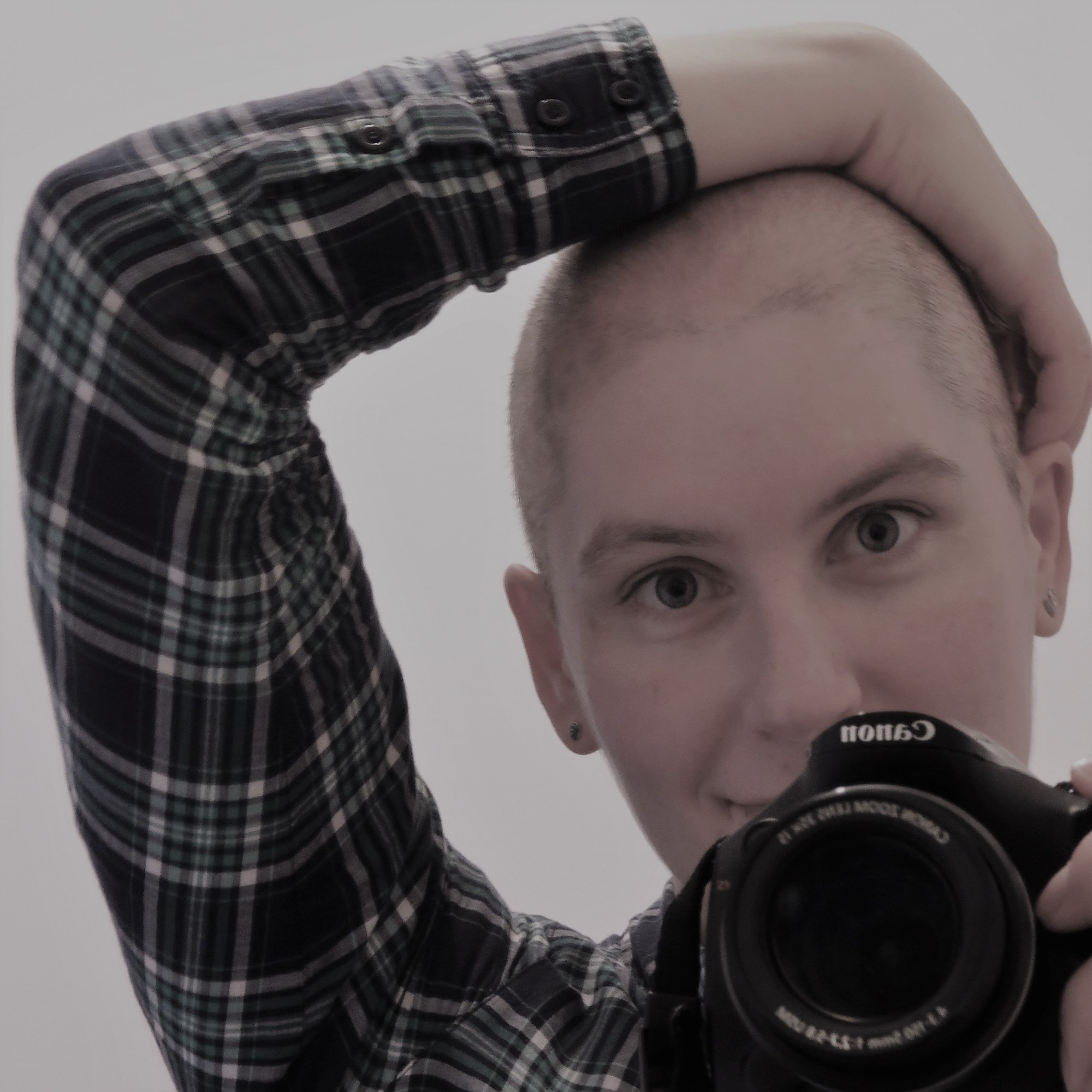


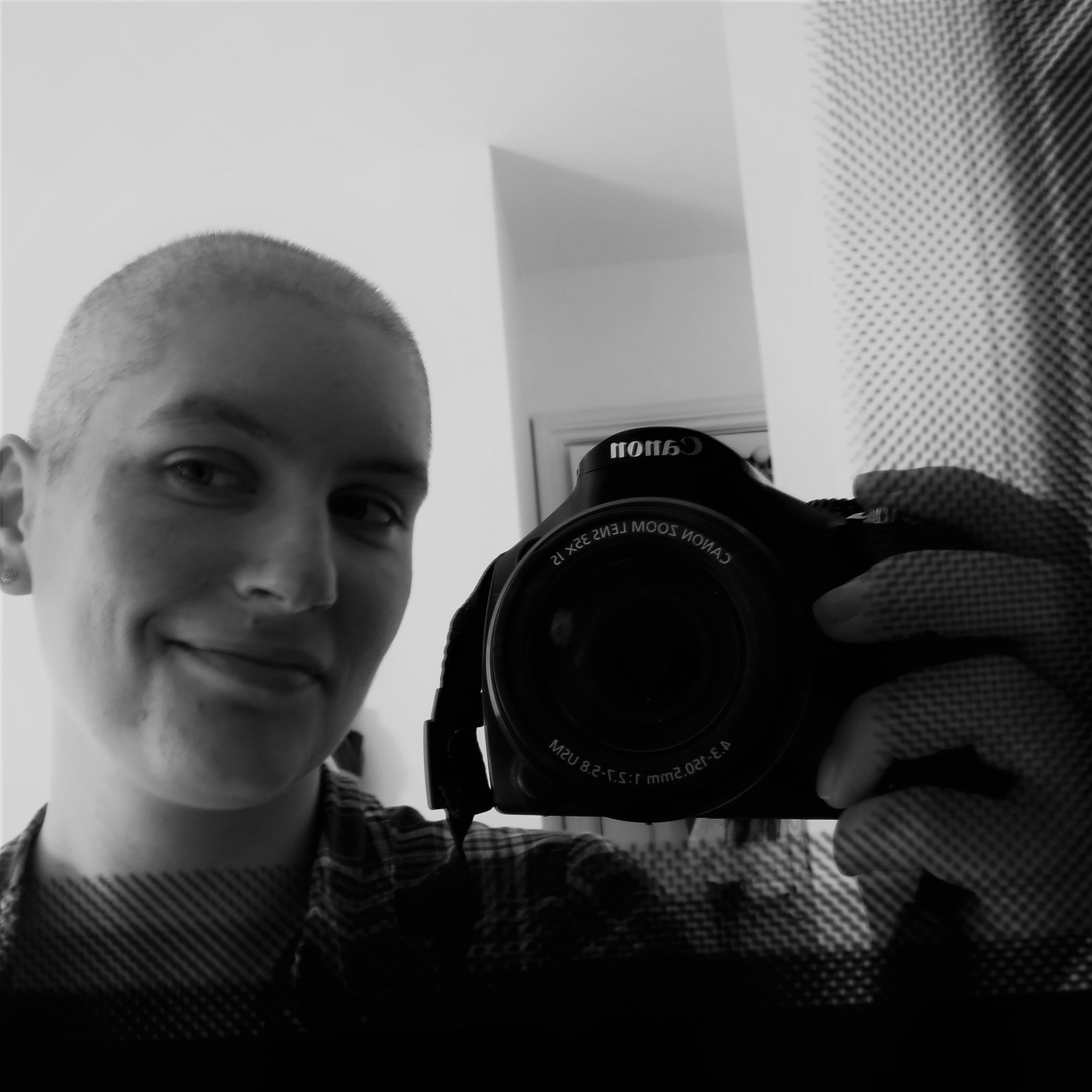
Had I waited to gain people’s approval, this would not be my look. I wouldn’t be leaving the house without a wig, accessories and make up. I wouldn’t have been able to express myself freely through words and my body’s appearance. And that would have kept me trapped in a shame loop. It would have meant sending a message to myself “Being semi bald is not acceptable, don’t even think about not concealing it. ” I now choose the way I look and that is how I walk forward, knowing I decide what is acceptable in this body and how to express myself. Otherwise I would just be hidden at all times because no matter what I do, I do not match people’s expectations, in part or in full, depending on the subjective point of view. By being authentic I subvert expectations and I wouldn’t have it any other way.
When you allow others to determine how you show up, you give away your power and freedom. I am not willing to do that, not anymore. No! Whenever shame shows up, I acknowledge its presence and that we go waaaay back, shame and I, but I am not welcoming it anymore, because it takes away freedom, creativity, joy, fun, and my sense of purpose. Just a few little things that make life worth living, no biggies… Body shame takes a toll and I acknowledge that daily, aware of the damage I am still healing from with the help of a therapist.
In conclusion, this is a reflection on shame and body image, and I encourage you to pause before you say something about appearance, your own or someone else’s. Ask yourself if you are validating body shame and self-judgement, or validating the voice of insecurity and fear. Ask yourself if you can show someone that being in a body does not mean trying to conform. Ask yourself how you can tell this person your appreciation isn’t relevant, it might be just a perk, and that theirs, about their own bodies, is invaluable, evolving and tied to their own freedom in that very body they call home.
If you wish to learn more about this, read the book of this Black writer and activist I adore: The Body Is Not An Apology by Sonya Renee Taylor. This is not the first time I recommend it and won’t be the last!
Your body is NOT AN APOLOGY!
The world I want to live in is one in which all bodies are unconditionally worthy of love and respect. One without a body hierarchy, or as Sonya Renee Taylor calls it, a ladder. Her ladder metaphor describes the ways we think we “improve” our bodies, and climb it to become more desirable. That makes for a life of comparison, shame, insecurity, judgement, discrimination, dissatisfaction and consumerism.
Her message is both liberating and rooted in social justice. Read her book!
My body is unapologetically bald, queer and androgynous. What about yours? What are you unapologetically embodying?
Unapologetically bald and subversive,
Dare to be b@ld
P.S. Listen to this! Brené Brown talking with Sonya Renee Taylor about bodies, shame and social justice.
https://brenebrown.com/podcast/brene-with-sonya-renee-taylor-on-the-body-is-not-an-apology/
 Dare to be b@ld