
Dear Daring Readers,
Since this pandemic is making people anxious I was going to post some colorful pictures of nature that could bring some peace and calm during this time, given that I have been walking around my neighborhood with my camera lately.
Instead, I want to use my rage, not new and now emerging, but ever present and repressed, to talk about other things that matter. The pretty pictures will come later. I want to commit to not avoiding difficult conversations, and as pretty as the flowers and birds are, they are eclipsed by what is going on in the world every single day. There is a need for soothing images and activities for sure; there is a much greater need for truth, especially right now as a white person.
Months ago I wrote about the book “Know my name” by Chanel Miller, a few days ago I wrote a poem on the same topic. I hope more people read the book of this courageous Asian-American woman, who represents all those who have had similar experiences of rape and harassment, whose stories will never be told and shared widely.
There is a particular part of the book that I could relate to, and that was the one in which she talks about catcalling. At some point, when she was still an anonymous victim waiting for justice, under the name of Emily Doe, she started recording videos of people talking to her on the street and their reaction to her anger or avoidance. She sent them to her male partner in an attempt to make him understand what she was facing, and he reached the point that he was no longer willing to watch them. Chanel Miller really spoke volumes when she told him that he couldn’t stop seeing those. She could not tune that out and forget it, and neither should he.
If you are white like me and reading this: you don’t get to look away when systemic discrimination and police brutality happen. People of color don’t get the chance to forget about it or tune it out, and neither should we.
Cases of rape, like cases of police killings, often get treated as isolated incidents, which mean that the perpetrators are at fault and the victims need to get justice. That alone, often enough, doesn’t even happen. Chanel Miller’s sexual assault was part of much bigger societal issues, and there is no truth or justice without recognizing that. Period.
We cannot use our white privilege to choose once again to other the fault.
As much as we (whites) would like having all the officers involved in the killing of George Floyd convicted of murder and then call it a day, that would leave institutional racism intact. It is indeed our silence, our tuning out, and our indifference that enables oppression every day. Our failure to even call it oppression and admit we have gained from other people’s struggles.
We need to reckon with the fact that all around the world some people are much safer around police. The very people supposed to protect citizens, and funded by them, tend to profile minorities and police them in a way that we, whites, do not see or, generally speaking, understand. People of color and immigrants never had the luxury of having a lot of faith in the positive impact of policing on a community. As a white person who is also European, I know that my ex-students from Brazil, some of which were black, did not feel safe around police officers here in Ireland. I listened to their stories of police brutality and street harassment and can confidently say I know I never felt that unsafe in Ireland. I am an immigrant, but I speak English well, I sound Canadian and I am WHITE. Not that I have boundless confidence in the police force when I interact with officers, I do not, yet I never fear for my life or worry about being beaten up.
Many white people are expressing sorrow, protesting and donating money, and that is absolutely needed. I also see people who do not understand admitting to having white privilege is step 1. It means admitting that the past, institutions and culture we glorify so much are actually at the root of present struggles. Europe is a place where whites have not reckoned with their privilege and feel entitled to take as much space as they can. We do not learn about slavery at school, and we still mention Columbus as the person who “discovered” America. We are absolutely ignorant when it comes to colonialism and always refrain from using the proper words to describe those who invaded Africa and brutalized its people. As many people pointed out, many famous European museums would be empty without ancient art and crafts from the Global South.
As a society, we pretend we don’t know what was done by our people, and that makes it easier to see isolated incidents in the present, void of context, or with the US and its inequality as the only focus.
No, this hits home.
Choose to see your privilege. Acknowledge it and share what you have learnt with your white friends.
White Europeans, pay attention. There are so many people already trying to tell you their stories. Think immigrants.
While listening to the news is important, I would say that right now all I see a multitude of white people lecturing on looting and protesting. That is pure hypocrisy. And that’s not what we need.
Listen to people who have experienced life with a much lower level of privilege, especially if they are people of color! We have so much to learn and are awfully complicit.
A form of listening that is perfect for a pandemic is reading or listening to books by black, brown and indigenous authors about their history, culture and lives. I am reading “The heartbeat of wounded knee” by David Treuer. I’d also recommend a book that is just what we need right now “How to be an Antiracist” by Ibram X. Kendi. If you have read it, feel free to send me your thoughts.
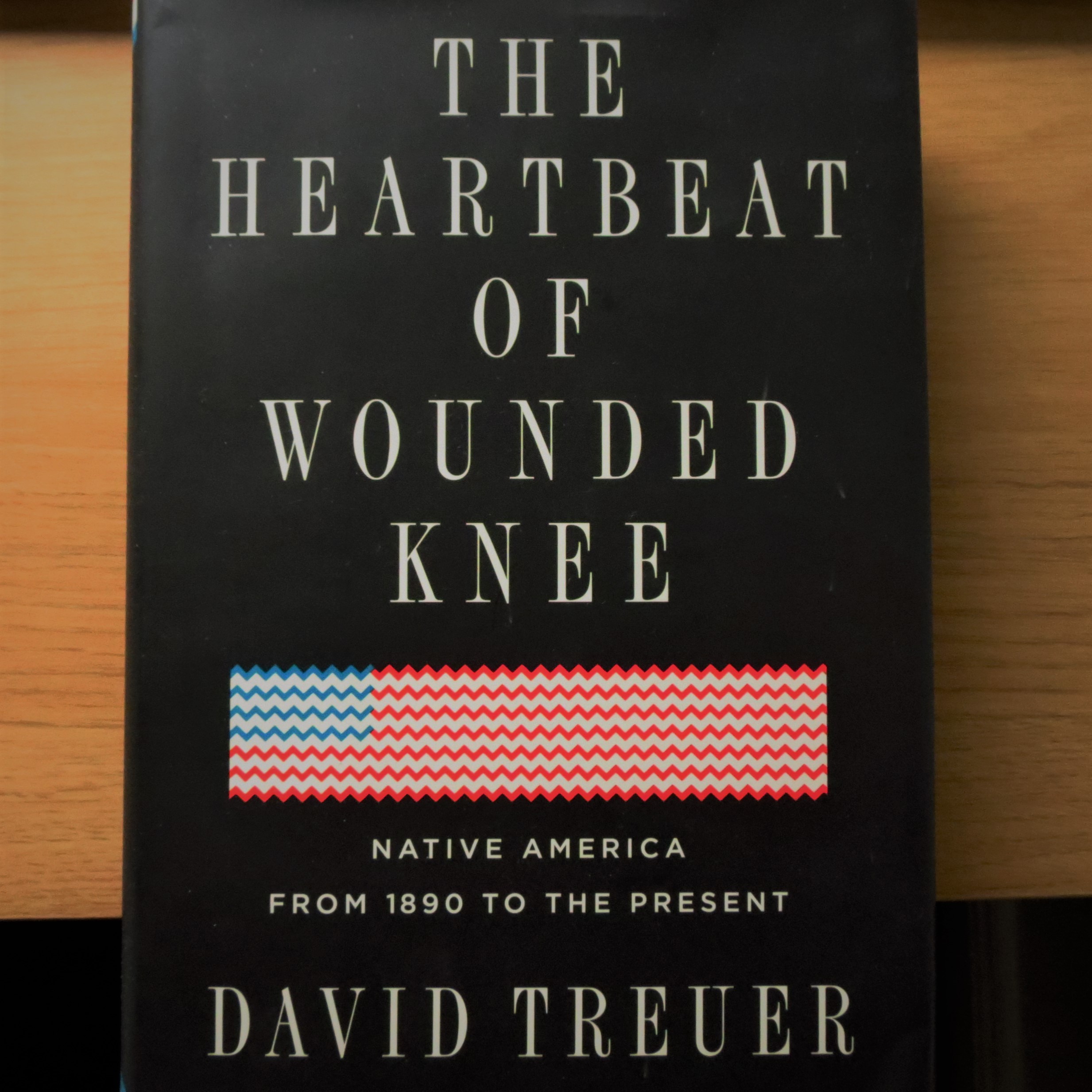
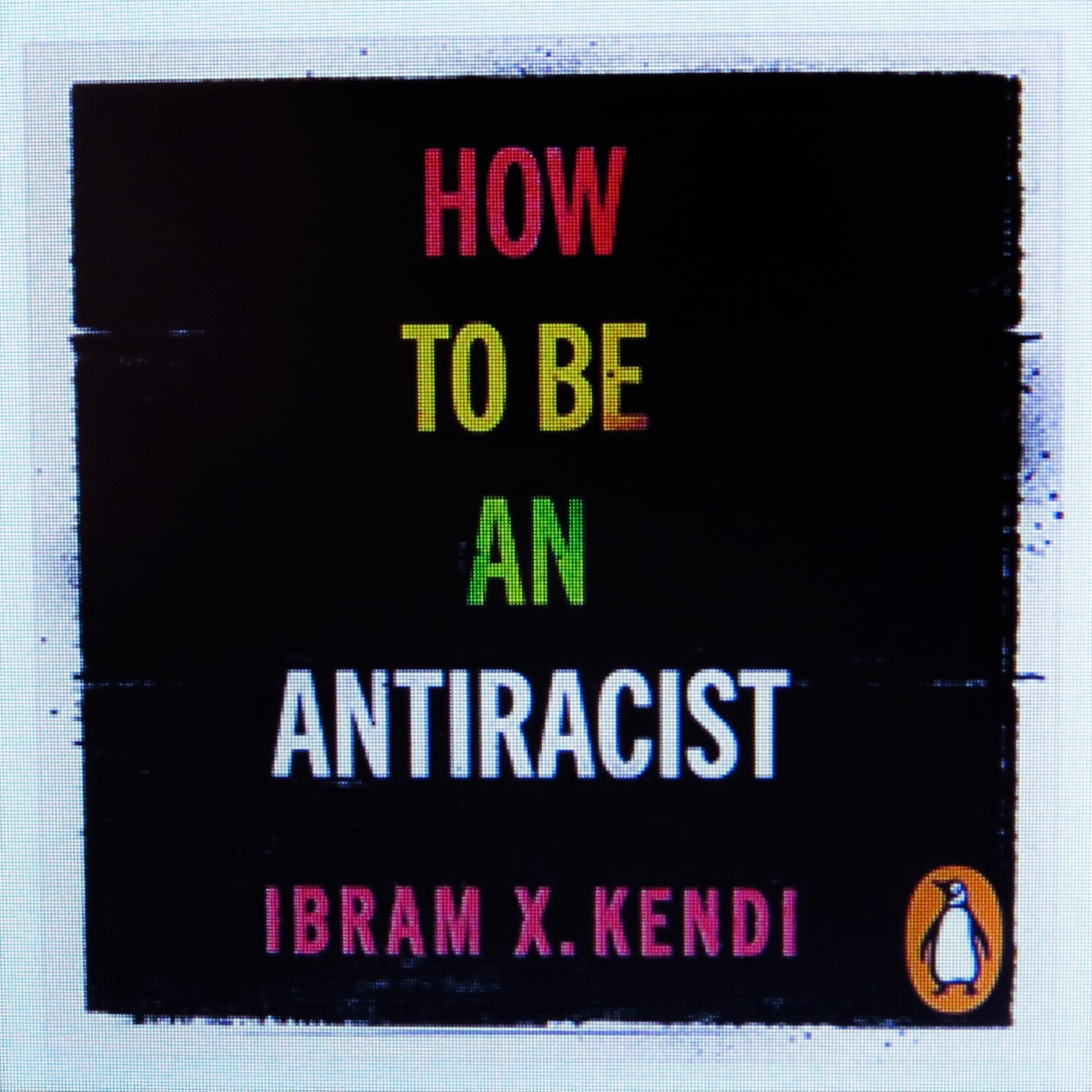
Reading or listening to books, articles, and podcasts on these and any other related issues is effective, as it exposes you to different perspectives and makes you more likely to take informed action, which is not merely well-intentioned. Also, while donating money to families affected by police brutality or local organizations is definitely urgent and necessary, I do think some of the resources we have as whites should go towards supporting writers and other artists.
Their voices have been erased by our lived experience and systemic inequality for so long, and we as a society have been unwilling to listen and properly accept and validate their experience. It is uncomfortable to acknowledge other people’s lives can be much harder than you assumed they were.
We need that discomfort! We do not get to turn our heads away!
No listening & learning = erasure and invalidation
Black Lives Matter.
Dare to be b@ld
 Dare to be b@ld