
Compliments!
Do you enjoy receiving them? How do you feel when people say you are pretty/cute/handsome/stunning? What does that kind of compliment mean to you?
I never knew how to react to compliments growing up. I always felt undeserving and shy after receiving them. My inner-world mantra became “This is not true, I am ugly”. I thought people wanted to be nice out of politeness or pity. Sometimes I felt people wanted to get something from me in exchange for a compliment.
People wrongly think that if your self-esteem is low compliments can help. Wrong. You do not accept them as true. I am sure that anyone who has ever had this problem knows this well. Compliments on your appearance mean nothing if they don’t match a similar inner belief.
Until a year ago, I thought that those compliments on my appearance could become friends now that I am content when I look in the mirror. Except, things have a way of changing without giving you advance notice, and meaning that seemed set in stone transforms your reality.
Do I enjoy compliments on my appearance now? Nope!
I find them superfluous and unnecessary. An extra sentence or adjective that could have been left out. Comments on my actions that signal approval are meant to be a sign of encouragement. Can “pretty” or “cute” do the same? I don’t think so.
Let me explain. The message that I get when I receive a compliment as a semi-bald woman is one of reassurance. It means that despite my lack of full hair I am still appealing enough, normal enough, thin enough, young enough, and date-able enough, to be considered cute. The thing is, I can accept compliments, but I cannot get any enjoyment out of them.
Beauty is one of those ideas of “normal” I mentioned in the last post. It is highly subjective and depends on the culture it is based on; although we often forget, what we consider beautiful could leave people in other places quite indifferent. What beautiful means to us as a society can be seen in commercials, TV shows and movies. The idea is that you are in or out. We are told that not being considered beautiful can have negative effects on the way you are perceived as a worker, family member or companion. Studies say that people consider you more likeable and date-able if you fit that category.
In other words, if the world tells you thinness is a must, then you might have to pay the price for not complying, and one minor sacrifice is that you won’t likely get compliments for being in great shape if you are even a little overweight, whether you work out regularly or not. If you happen to be stylish though, you might get a compliment on your outfit. Are these compliments meaningful? I don’t think so, no! They can tell you quite a bit about what constitutes beauty in the mind of the person who pays the compliment more than describing the person who receives it.
Compliments remind me how as a woman I still have to show my pretty face to the world and hope for approval of my looks. And this of course affects people of all genders, although cisgender men hold a disproportionate amount of power in our society, and thus face lower expectations regarding their appearance. The focus usually is on their actions, not their looks.
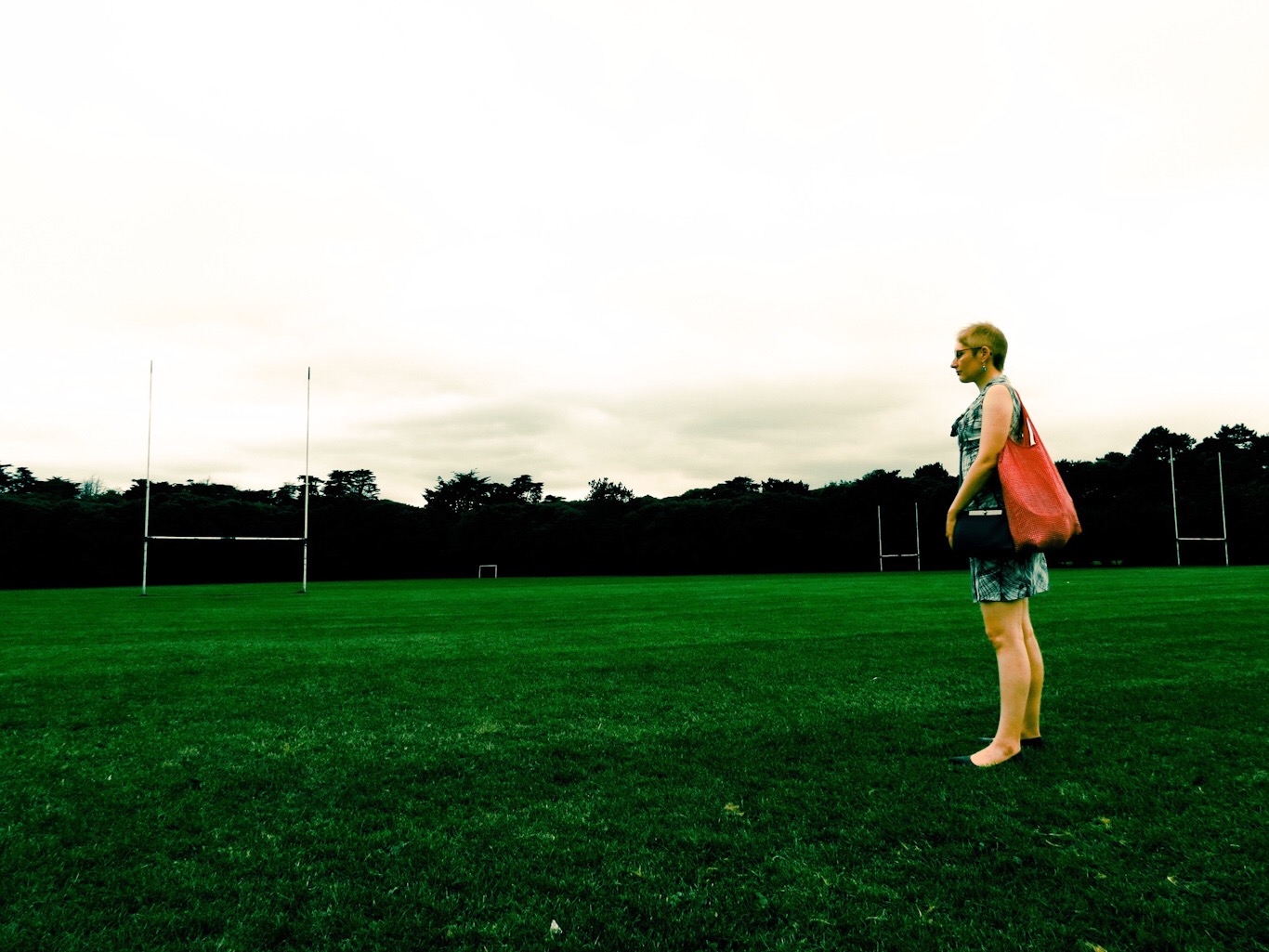
I try to share more about the context of a picture these days, so that the comments can be directed at the activity portrayed, rather than the way I look. I have such appreciation for comments that encourage me to keep going, to continue performing and sharing stories. I could not appreciate these comments properly when my self-esteem was low. My natural tendency was to tell myself that those positive things were not true, someone was mistaken about my worth and potential.
Reading about this topic, I stumbled into the body positive movement, that wants to expand the definition of beautiful to encompass every single body. At first, I found this empowering. On second thought, I found it very disempowering. When we decide to stamp the label that reads “beautiful” on our bodies, indiscriminately, we give power to a word that has been used to divide us into “attractive enough” and “unattractive”. We use a word that has lured us into buying products to correct our body. Mind, not modify our bodies because we wanted or needed to, but correct aberrations that had solely to do with the standard of beauty. Simple example: wrinkles. They are part of our lives, so are stretch marks and cellulite. Whether you try to change them or leave them alone, the beauty industry tells you it is something you need to address promptly, before it is too late and your body has gotten even worse. Even if you don’t listen to the message, this is the world we live in, sadly.
Let’s be honest. We do not praise someone’s appearance out of a desire to be nice. Most of the time we just express a preference for a style or color. Sometimes we pay a compliment because we do not know what to say, to break the ice, for instance. Compliments are often irrelevant, and say much more about the expectations of the person who is giving them being met than about the receiver.
“Pretty” comes with a set of rules to fit in, and in my opinion is merely optional. No matter how hard you try, you cannot please everyone, nor should you try to do so. We do not owe anyone a certain look to be perceived as worthy. If our looks put us outside of the perimeter of what is considered normal, and they don’t necessarily have to, then we have the right to show up without modifying our appearance. Hence, no wig in public for me (for exceptions see previous post). Also, no pretense of wanting to look very feminine. I sometimes do look somewhat girly, but enjoy a much more gender-neutral look most of the time.
Minorities feel the pressure to look more mainstream, and are often underrepresented in movies, on TV and in magazines. The market for whitening creams would not exist if this weren’t true, yet it does exist, despite a ban in many countries due to the hazardous nature of the product. Dark skin is one of the many things in today’s world that can be considered a flaw to be corrected. “Pretty” is based on ideas that are often as toxic as the products sold in its name. When we define desirable qualities as a society, we leave people from minorities out of the conversation. Compliments are instruments to reward compliance with the agreed criteria, for example thinness and whiteness depicted as something to aspire to, while other characteristics are to be eliminated at all costs. Other features and styles that do not get rewarded with compliments.
I’m not saying to avoid compliments completely. I can’t stand them, and yet sometimes I say that sort of thing. Also, I never hate the person who pays the compliment. We are steeped in a culture in the West that is deeply troubling and pervasive. We have been brought up to believe compliments are a reward you get for looking your best. Women in particular have been taught to strive to excel at looking stunning, especially for special events. I understand the pressure to fit into that category, and the pressure to offer compliments too.
I believe this world would be different if we praised people for what they do, instead of focusing on their appearance. Alternatively, matters could also be improved if people praised bold choices of people who have decided to break the rules, instead of adhering to them. Also, even when commenting on those kind of choices, it would be thrilling to see human beings using words that are not: “pretty”, “cute”, “beautiful” or “stunning.” As far as I am concerned, they should be put to rest with all their synonyms.
Your next compliment could contain the following words (just a few to give you an idea):
bold, wonderful, awesome, needed, creative, touching, courageous, moving, meaningful, thoughtful, joyous, grateful, incredible, whimsical, powerful, energizing, generous, open- minded, ground-breaking…
Compliments are a small barrier on our way to a more inclusive society, yet small things lead to bigger ones. In order to focus on what really matters and needs to be changed, I think we need to get tiny rocks out of our shoes, knowing they are only symptoms of something bigger. Gender equality is a goal that can be brought closer by selecting meaningful words and communicating well with others.
Be visible! Be you! Be freaking amazing!
Radical Love & Pride,
Dare to be b@ld
P.S. Please read “The body is not an apology” by Sonya Renee Taylor for more on body image and how minorities are represented. Also, I strongly recommend “RBG” on Netflix, because we all need to know more about bold women who changed history.
 Dare to be b@ld